
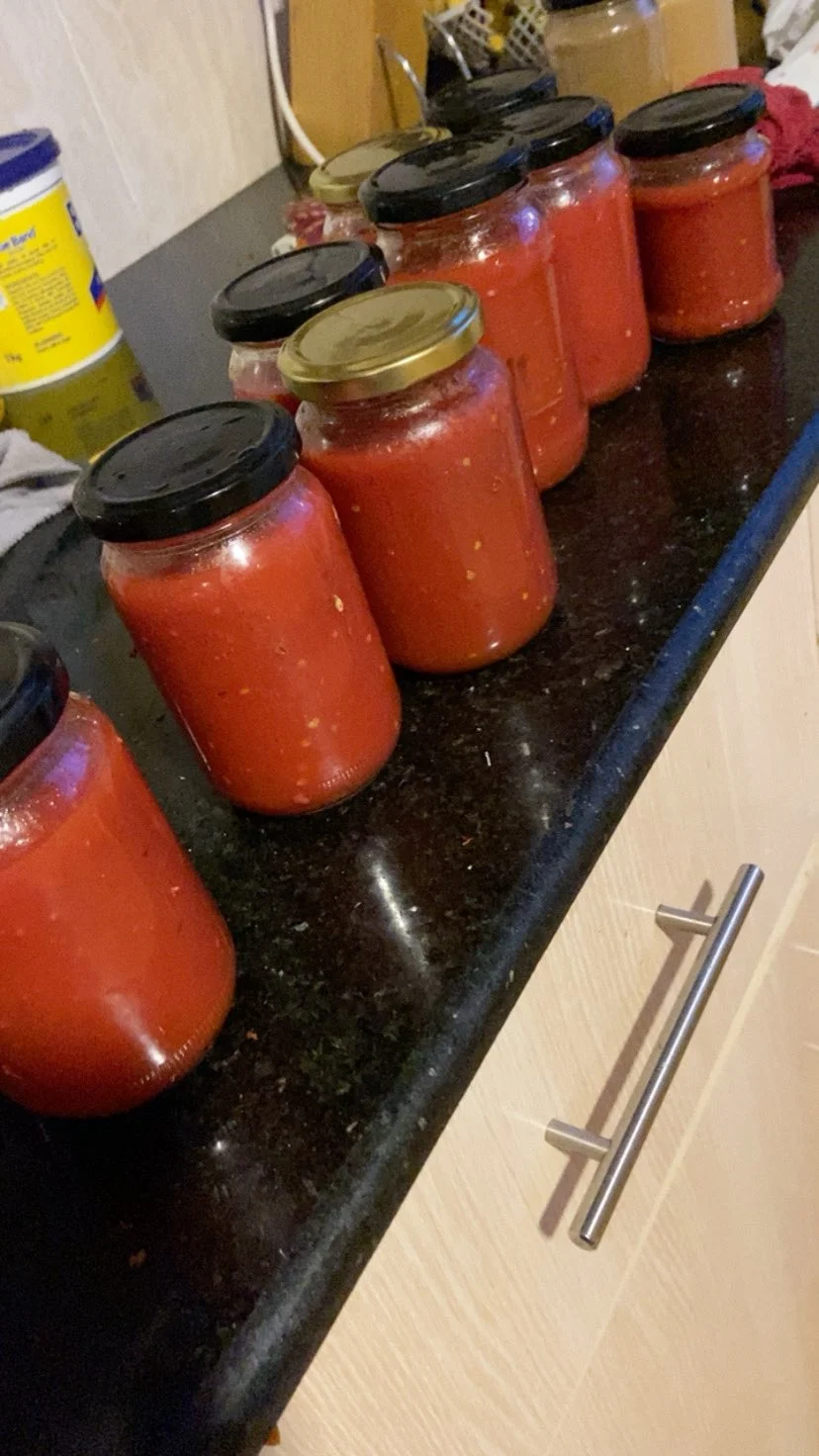
How to Preserve Fresh Tomatoes: Easy Homemade Water Bath Canning
If you have ever ended up with watery, thin tomato sauce when making homemade preserves, this method completely solves that problem. By blending, separating the natural water early on, and cooking the thick tomato pulp down with aromatic herbs like thyme and sea salt, you create a rich, velvety tomato base that is perfectly suited for pasta sauces, soups, and stews all year long.
In this step-by-step canning guide, we will walk you through this brilliant separation technique, cover essential home canning safety steps, and show you how to successfully process your jars in a hot water bath for long-term pantry storage.
Why Separating Tomato Water First Is a Game-Changer
When you blend fresh whole tomatoes, a large percentage of what ends up in your bowl is light, watery tomato juice. Traditional recipes require you to boil this mixture for hours on end to evaporate that extra moisture, which can scorch your sauce and reduce that fresh tomato flavor.
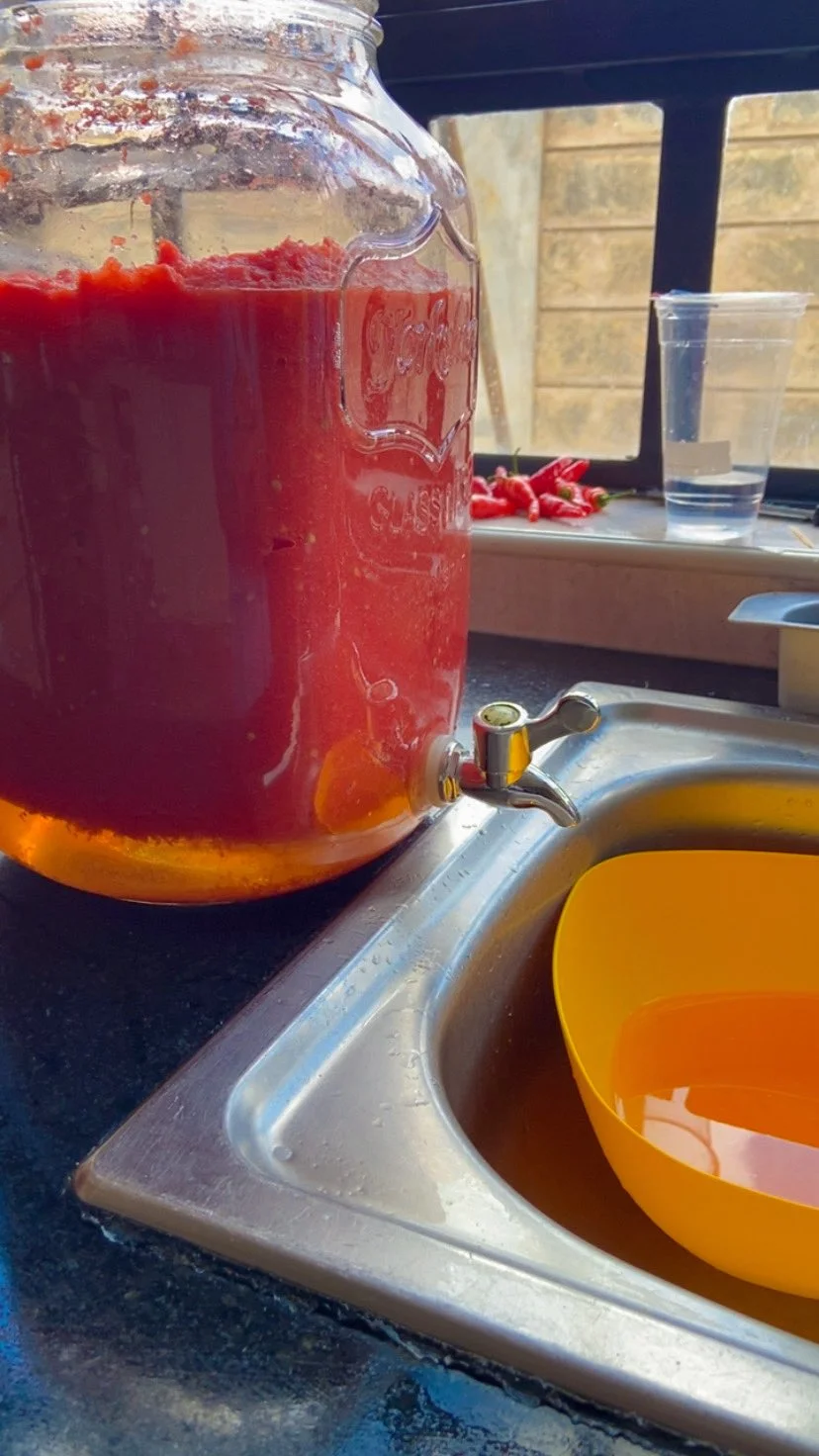
By allowing the blended mixture to stand or straining it gently through a fine mesh strainer, the clear tomato water naturally separates from the dense pulp (F1 phase). Decanting or straining off this excess liquid before simmer time cuts your stove cook time in half, resulting in a vibrant, thick purée with a rich concentration of natural sugars and deep flavor.
Crucial Food Safety Tip: Acidifying Tomatoes
Tomatoes are right on the borderline between high-acid and low-acid foods. Because modern garden tomato varieties often have lower acidity levels, food safety guidelines recommend adding bottled lemon juice or citric acid to each jar prior to hot water bath processing. This ensures a safely preserved product that halts any potential bacteria growth in storage.
- Bottled Lemon Juice: 1 tablespoon per pint jar (or 2 tablespoons per quart jar).
- Citric Acid: ¼ teaspoon per pint jar (or ½ teaspoon per quart jar).

how to preserve tomatoes by canning
Ingredients & Equipment Needed
Ingredients
- Fresh Whole Tomatoes: 8 to 10 lbs (Slicing tomatoes, Roma, or Plum varieties work best).
- Canning Salt: 1 teaspoon per quart jar (or ½ teaspoon per pint jar). Avoid iodized table salt, which can cloud the sauce.
- Dried or Fresh Thyme: 1 to 2 teaspoons for flavor depth.
- Bottled Lemon Juice or Citric Acid: For safety and acidification (see proportions above).
Equipment
- High-speed blender or food processor
- Fine-mesh strainer or cheesecloth
- Large heavy-bottomed stockpot
- Mason canning jars with new lids and bands
- Large water bath canner (or tall stockpot with a rack)
- Jar lifter tongs and funnel
Step-by-Step Canning Instructions
Step 1: Blend and Separate the Liquid (F1 Phase)
Removing the excess watery juice upfront dramatically speeds up cooking time and delivers a thicker final product.
- Wash your tomatoes thoroughly under cool running water, removing any stems or damaged spots. Quarter them into manageable pieces.
- Working in batches, place the tomato quarters into a blender or food processor and blend until smooth.
- Pour the blended tomato purée into a fine-mesh strainer set over a large bowl, or let it sit in a large container for 15 minutes. The light, clear tomato water will naturally separate and rise or filter out, leaving the thick pulp behind.
- Drain off the excess liquid. (Chef’s Tip: Don’t throw away the clear tomato water! Save it in the fridge to use as a flavorful base for rice, soups, or summer cocktails).
Step 2: Season and Cook Down
Simmering the concentrated pulp reduces it into a rich, flavorful sauce base.
- Transfer the thick tomato pulp into a large, heavy-bottomed stockpot.
- Stir in the salt and thyme (adjust seasoning to your personal taste).
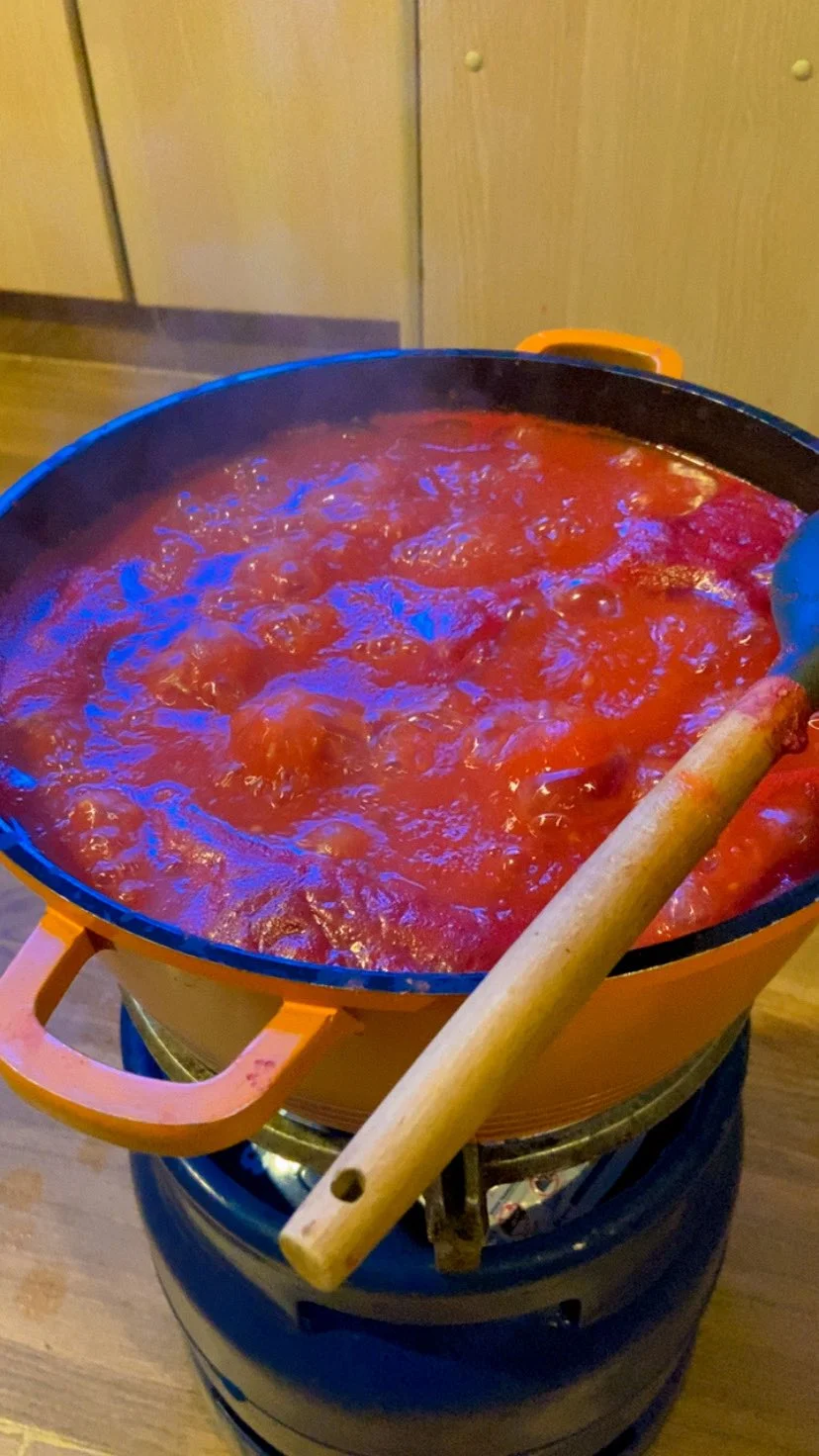
- Bring the mixture to a gentle boil over medium-high heat, stirring frequently to prevent sticking.
- Reduce heat to medium-low and simmer for 20 to 30 minutes until the sauce reaches your desired thickness and aroma.
Step 3: Sterilize Equipment and Prep Jars
Clean, hot jars prevent thermal shock and keep your preserves completely sterile.
- Wash your Mason jars, lids, and screw bands in hot, soapy water and rinse thoroughly.
- Keep the jars hot by placing them in your water bath canner filled with simmering water until ready to fill.
- Measure out your bottled lemon juice or citric acid directly into the bottom of each hot, empty jar before adding the sauce.
Step 4: Fill the Jars
Maintaining the proper air space at the top of the jar guarantees a strong vacuum seal.
- Ladle the hot tomato sauce into the prepped jars using a canning funnel.
- Leave exactly ½ inch of headspace (the space between the top of the sauce and the top rim of the jar).
- Run a clean bubble remover tool or wooden skewer around the inside edge of the jar to release any trapped air pockets.
- Wipe the glass rims completely clean with a damp paper towel to ensure no residue interferes with the rubber seal.
- Place the flat lid on top and screw the metal band down until it is fingertip tight (do not overtighten).
Step 5: Process in the Hot Water Bath
Heat processing seals the jars and destroys any potential micro-organisms.
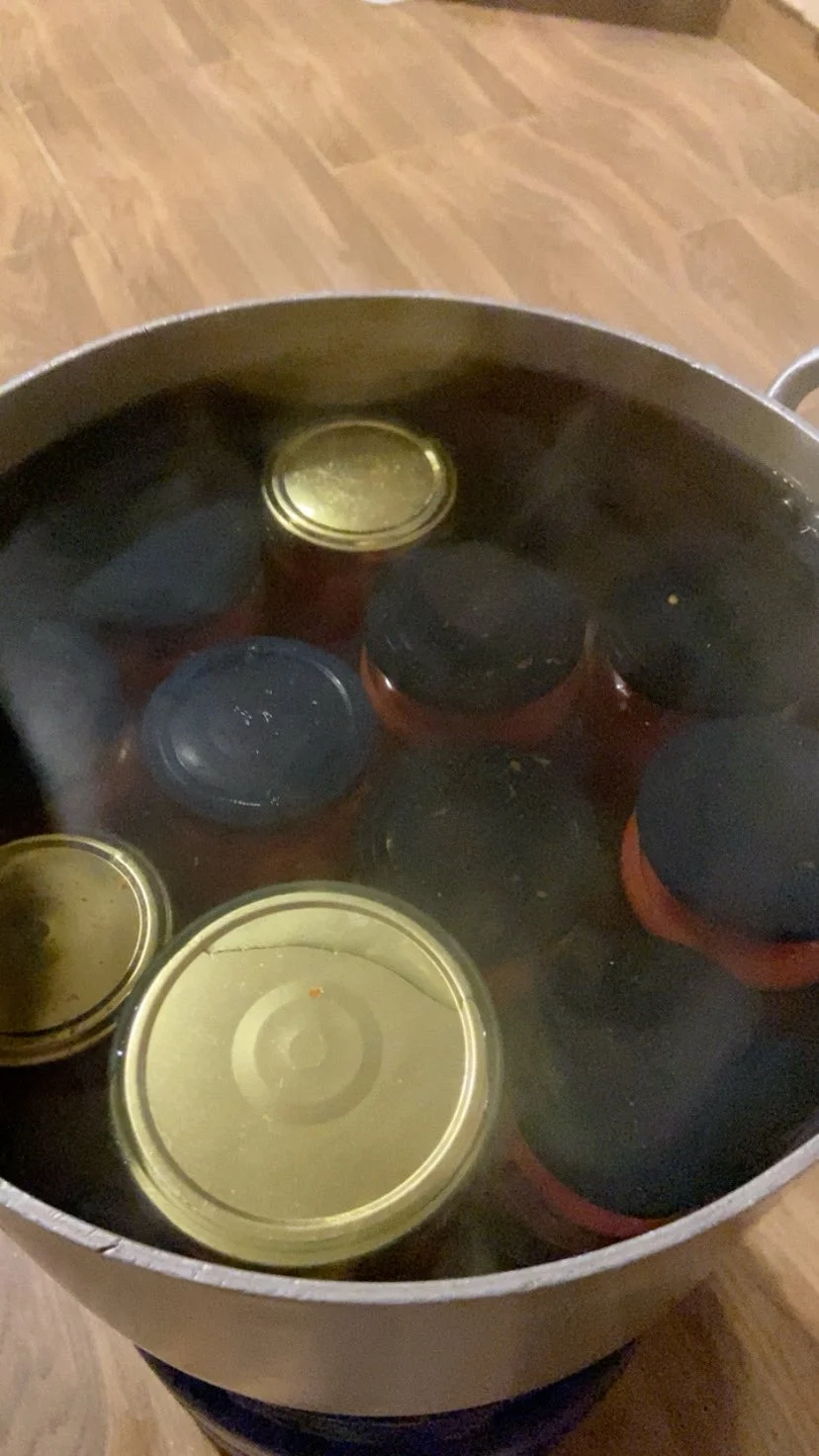
- Lower the filled jars carefully into a boiling water bath canner using a jar lifter. Ensure the jars are covered by at least 1 to 2 inches of water.
- Cover the pot with a lid and bring to a rolling boil.
- Process pint jars for 35 minutes or quart jars for 40 minutes (adjust processing time for high altitudes if necessary).
- Once processing time is complete, turn off the heat, remove the lid, and let the jars rest in the hot water for 5 minutes.
Step 6: Cool and Test the Seals
A satisfying popping noise tells you that your preservation was successful!
- Use your jar lifter to remove the jars from the water bath and place them upright on a clean kitchen towel-lined countertop. Leave space between jars for air flow.
- Let the jars cool undisturbed at room temperature for 12 to 24 hours. You should hear a distinct “ping” sound as the lids vacuum seal downward.
- After cooling, press the center of each lid. If the lid is firm and does not flex or pop up, the jar is properly sealed.
- Remove the screw bands, label the jars with the contents and date, and store them in a cool, dark pantry.
Expert Canning Tips
- Always Use Bottled Lemon Juice: Fresh lemons vary in acidity level, whereas bottled lemon juice has a standardized pH level that ensures consistent safety in home canning.
- Never Overtighten Bands: Screw bands should only be applied “fingertip tight.” Over-tightening prevents air from escaping the jar during processing, which can cause lids to buckle or fail to seal.
- Pantry Shelf Life: Properly sealed canned tomatoes will easily stay fresh and flavorful in a dark pantry for 12 to 18 months.
how to preserve tomatoes by canning
Flavor Ideas & Herb Additions
While thyme and salt create a wonderful classic profile, you can easily customize your tomato purée:
- Italian Herb Blend: Add dried oregano, crushed basil, and a pinch of red pepper flakes along with the thyme.
- Roasted Garlic Touch: Stir in roasted garlic cloves into the blender phase for a sweet, caramelized savory depth.
- Smoky Garden Style: Add a dash of smoked paprika or crushed dried chili peppers during the simmer phase.
Frequently Asked Questions (FAQs)
What should I do if a jar fails to seal?
If a lid flexes up and down after cooling, the jar did not achieve a vacuum seal. Place unsealed jars directly into the refrigerator and use the sauce within 5 to 7 days, or freeze the contents in a freezer-safe container.
Why did my tomatoes separate again inside the jar?
It is very common for canned tomato purée to separate slightly into solid pulp and clear liquid inside the jar during storage. This is completely safe—simply shake or stir the jar before opening and using!
Can I add fresh onions or peppers to this recipe before canning?
Low-acid ingredients like fresh onions, garlic, or bell peppers alter the pH level of the sauce. Unless following an tested pressure canning recipe, keep low-acid vegetables to a minimum, or add them fresh when cooking your meal after opening the jar.